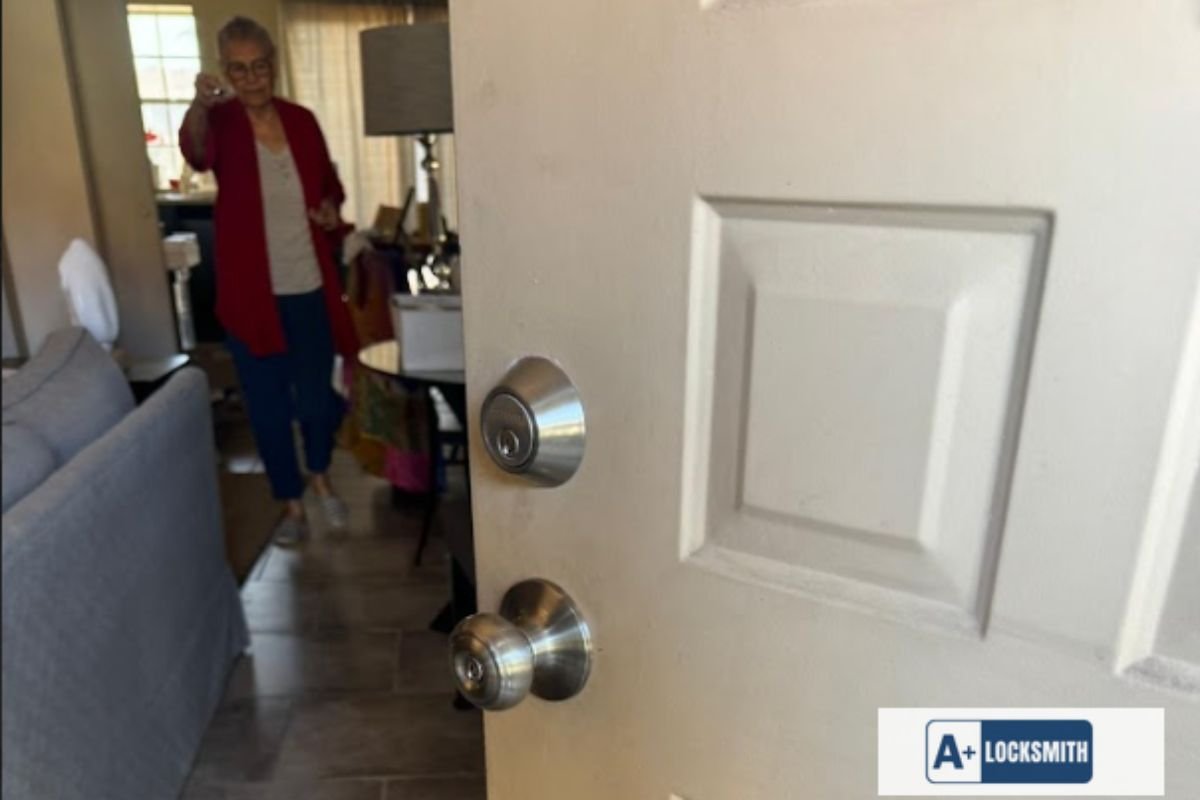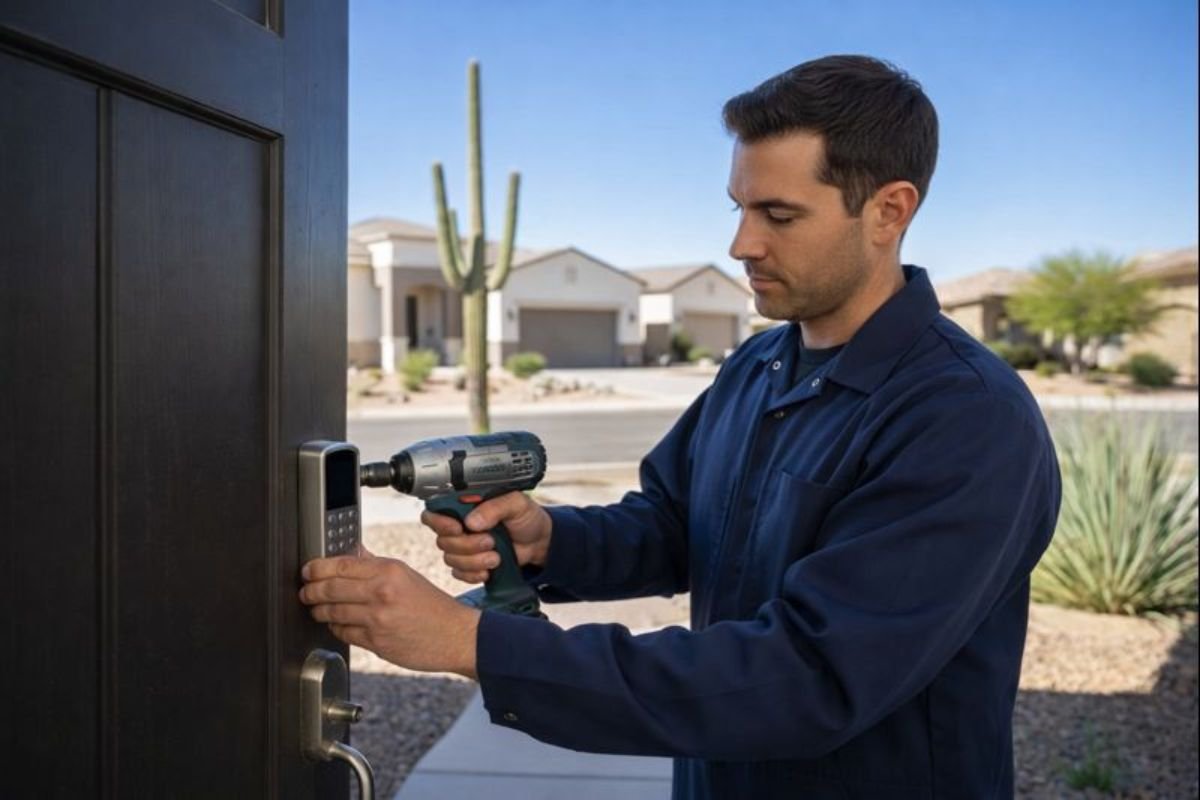

A business lockout rarely starts with a dramatic security event. More often, it begins with a practical disruption: a key that won’t turn, a door that won’t latch, an employee who can’t find the right key ring, or an access routine that breaks down during a shift change.
In Phoenix, where commercial properties see constant use—storefront traffic, deliveries, vendor access, back-of-house movement—lost time at the door becomes lost productivity inside the building. The bigger risk is that repeated lockouts usually point to a deeper problem: worn hardware, door alignment drift, weak key control, or an access system that no longer matches how the business actually operates.
Professional lockout service isn’t only about restoring entry. It’s about restoring entry responsibly, then helping you reduce the odds of the same lockout happening again next week.
If you’re dealing with recurring access interruptions, start with the dedicated page for business lockout solutions and then review how those services fit inside broader commercial locksmith services for Phoenix businesses.
What Counts as a Business Lockout?
A business lockout is any situation where authorized staff cannot access a commercial space, including:
- The main entry door (storefront or office entry)
- Back doors and service entrances
- Interior offices, stock rooms, or restricted areas
- Storage closets, utility rooms, and staff-only spaces
- Cabinets, desks, and internal security points that protect sensitive items
Lockouts can also involve hardware that still “works sometimes,” which is often the most dangerous pattern—because it usually gets ignored until the moment it fails completely during a high-pressure time.
Why Commercial Lockouts Happen So Often in Phoenix
Business lockouts usually have predictable root causes. The most common ones include:
1) Key control breaks down
Keys spread across managers, staff, vendors, and contractors—often without a log. When a key goes missing, you may not know whether it was lost, copied, or simply never returned. This is exactly when a controlled reset like commercial lock rekeying becomes the cleanest way to restore control without replacing every lock.
2) Locks wear out under heavy use
Commercial doors get used constantly. Over time, cylinders stiffen, pins wear, and keys stop turning smoothly. If staff regularly say “this lock is hard to turn,” treat it as an early warning. Addressing it through commercial lock repair and replacement often prevents a lockout later.
3) Door alignment drifts (and it feels like a “lock problem”)
Many “bad locks” are actually “bad doors.” Hinges loosen, closers lose tension, frames settle, and latches bind. The lock may be fine, but the door geometry forces it to fail. Correcting alignment with door closer and hinge repair can reduce repeated lockouts and prevent premature lock damage.
4) Exit hardware and high-traffic doors get neglected
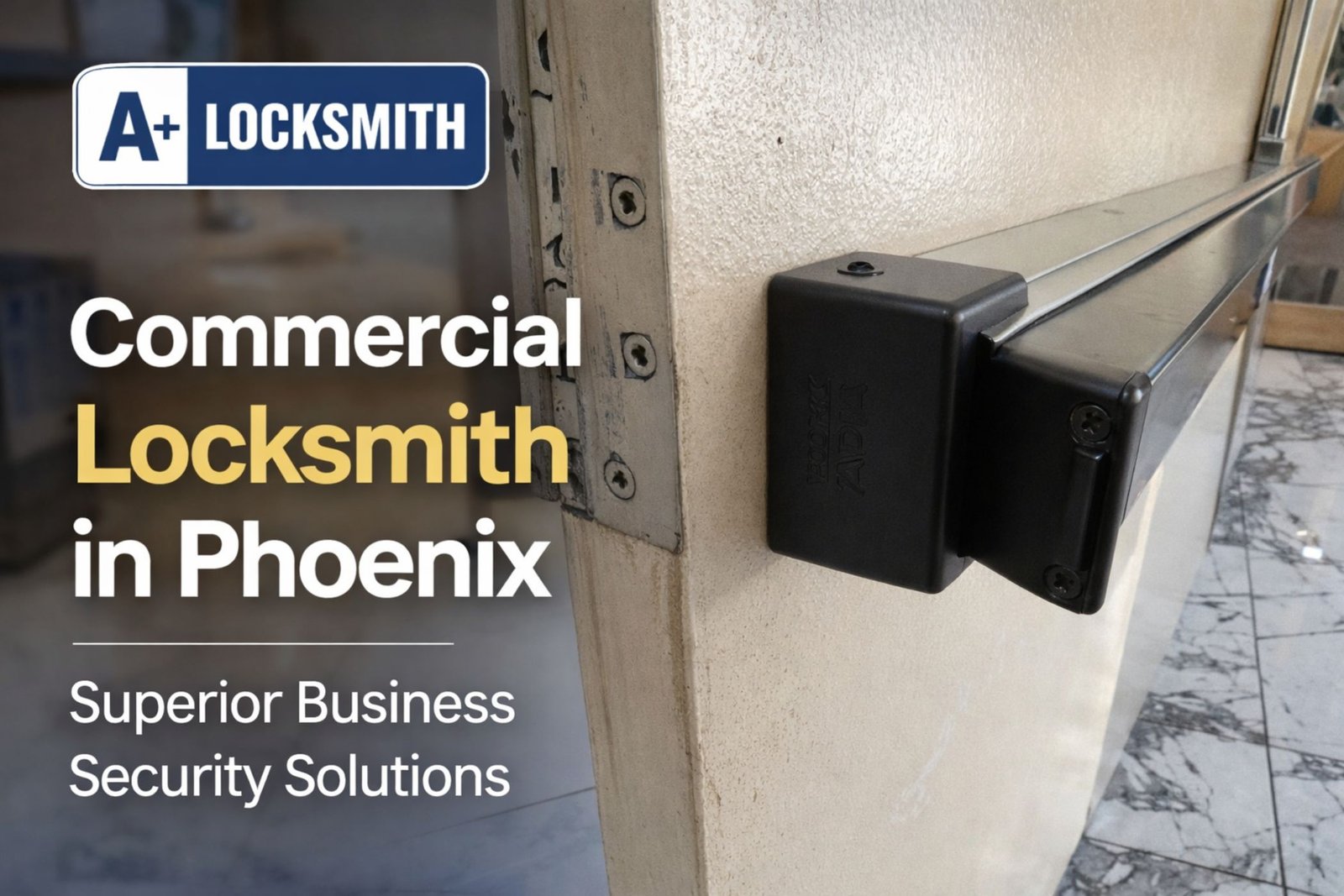
If your location uses panic hardware or heavy egress doors, worn components can cause access issues that disrupt operations and create safety concerns. Commercial properties should treat this as both an operations and compliance priority, which is why panic bar and exit device installation is often part of long-term reliability planning.
5) Access systems don’t match how the business runs today
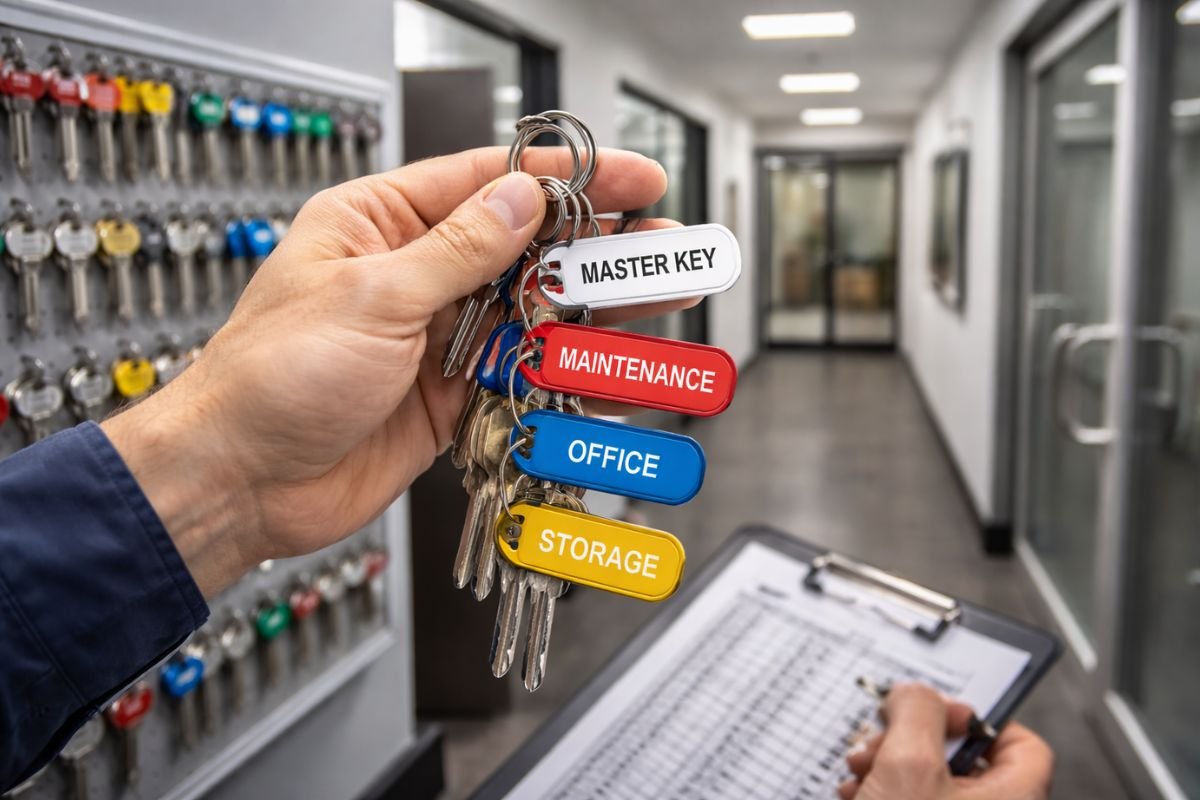
A growing team, new departments, or more restricted areas can outgrow a “single ring of keys” approach. If the lockout pattern is rooted in confusion—wrong keys, too many keys, unclear permissions—then the real fix is structure. A well-designed master key system brings clarity and reduces friction.
If your business needs more granular permission control or you want to reduce rekeying events during turnover, access control systems can be the next step, depending on your building and workflow.
What a Professional Business Lockout Service Looks Like
A responsible lockout process follows a predictable pattern, without improvisation or unnecessary damage.
Step 1: Authorization and verification
Commercial access requires responsible verification. A professional locksmith confirms that the request is legitimate and that entry is authorized.
Step 2: Door and hardware assessment
Commercial doors vary: storefront aluminum, steel service doors, mixed-use entries, suite doors, and interior security doors. The method depends on the door type, hardware, and failure mode.
Step 3: Regain access while protecting the door and lock
The priority is restoring entry without unnecessary damage to the lock, frame, door, or surrounding hardware—because damaging the door creates more downtime and higher repair costs.
Step 4: Root-cause diagnosis
This is the difference between “entry service” and “business lockout solution.” A professional locksmith should identify whether the lockout happened due to:
- A worn cylinder or failing lock component
- Door alignment/latch binding
- Key control failures
- Exit device issues
- An access system or credential issue
Step 5: Immediate next-step recommendation
After entry, the locksmith should recommend the simplest fix that reduces recurrence—rekeying, repair, alignment correction, or an access redesign.
What to Do After You’re Back In (So It Doesn’t Repeat)
Once access is restored, the smartest move is to address the specific cause quickly—before it becomes a pattern.
If keys are missing or staff changes created risk: rekey
When keys are unaccounted for, rekeying resets access with new keys and eliminates uncertainty. That’s why many businesses schedule commercial lock rekeying after turnover, lost keys, or management changes.
If hardware is unreliable: repair or replace
If the lock turns inconsistently, binds, or feels “gritty,” it often needs service. Preventive work through commercial lock repair and replacement can avoid future interruptions during opening or closing routines.
If the door is the problem: fix alignment first
A lock installed on a misaligned door is a lock that will fail early. If your doors drag, don’t latch cleanly, or require extra force to close, solve the mechanical issue with door closer and hinge repair so the lock can operate as designed.
If security needs to be stronger: upgrade critical areas
Some spaces need higher protection—inventory rooms, cash handling areas, restricted offices, or sensitive storage. In those cases, planned upgrades such as high-security lock installation can strengthen the most critical doors instead of treating every door the same.
If “too many keys” is the real issue: structure access
If your team uses multiple doors and different roles require different permissions, a structured master key system reduces confusion and helps prevent recurring access interruptions tied to key chaos.
If you want better permission control: consider access control
For businesses that need scheduled access, credential control, or easier revocation during turnover, access control systems can reduce operational friction, depending on your building layout and requirements.
Quick Decision Table: What You Notice → What It Often Means → Best Next Step
| What you notice | What it often means | Best next step |
|---|---|---|
| Key sticks or turns inconsistently | Worn cylinder, internal wear, key wear | Plan commercial lock repair or replacement via this service |
| Door won’t latch unless pushed/pulled | Misalignment, hinge/closer drift | Schedule door closer and hinge repair |
| Keys missing after staff changes | Access risk, unknown copies | Reset access with commercial lock rekeying |
| Exit door hardware feels unreliable | Worn exit device or incorrect setup | Evaluate panic bar and exit devices |
| Too many keys, staff confusion | No hierarchy, key control issues | Design a master key system |
| You want permission control by role/time | Workflow outgrew mechanical keys | Explore access control systems |
Interior Lockouts: Offices, Cabinets, and Secure Storage
Not every lockout happens at the main door. Interior lockouts can stall daily operations, especially when teams can’t access supplies, files, or restricted areas.
If your lockout patterns involve internal storage points, solutions like filing cabinet and desk locks can improve daily access control and reduce improvised “workarounds.”
For businesses securing higher-value assets, it’s also common to integrate access planning with safe installation and opening so ownership can define clear access rules for secure storage.
Prevention Checklist for Phoenix Business Owners and Managers
If you want fewer lockouts across the year, these actions have the highest impact:
- Create a basic key log (who has what, when issued)
- Limit how many people hold master-level access
- Rekey quickly when keys are lost or unreturned
- Fix doors that drag or don’t latch smoothly
- Standardize opening/closing procedures
- Plan access structure that matches your building (master key vs access control)
- Upgrade high-risk doors instead of treating every door the same
For a broader view of how lockouts fit inside overall building security, you can reference the full locksmith services hub.
FAQs
How long does a commercial lockout typically disrupt a business?
The disruption depends on door type, hardware, and the failure mode. The most important factor is having a professional response that prioritizes safe entry and then addresses the underlying cause so lockouts don’t repeat.
Should we rekey after a key is lost?
If a key is missing and could be tied to your location, rekeying is one of the cleanest ways to restore access control. It removes uncertainty and prevents old keys from working.
Why does the lock “work sometimes” and fail other times?
That usually points to wear or alignment issues. A lock can appear functional until the moment stress, door drift, or internal wear pushes it past the point of consistent operation.
Are master key systems only for large buildings?
No. Many small and mid-size Phoenix businesses benefit when they have multiple doors, restricted areas, or multiple managers who need controlled access.
When should a business upgrade to access control?
If you need scheduled permissions, easy credential changes, or tighter role-based access without rekeying, access control may be a better fit.
What’s the smartest next step after a lockout?
Once entry is restored, address the root cause immediately—rekey if keys are missing, repair failing locks, and correct door alignment if doors are binding or drifting.
Conclusion + Next Step
Business lockouts are disruptive, but they’re also useful signals that something in your access system needs attention. The best solution restores entry responsibly and then reduces repeat events through rekeying, repairs, alignment correction, or access structure upgrades that fit how your Phoenix business actually operates.
If you’re looking for service in the area, start with locksmith service in Phoenix, review experience and approach on the About Us page, and request help through Contact Us.